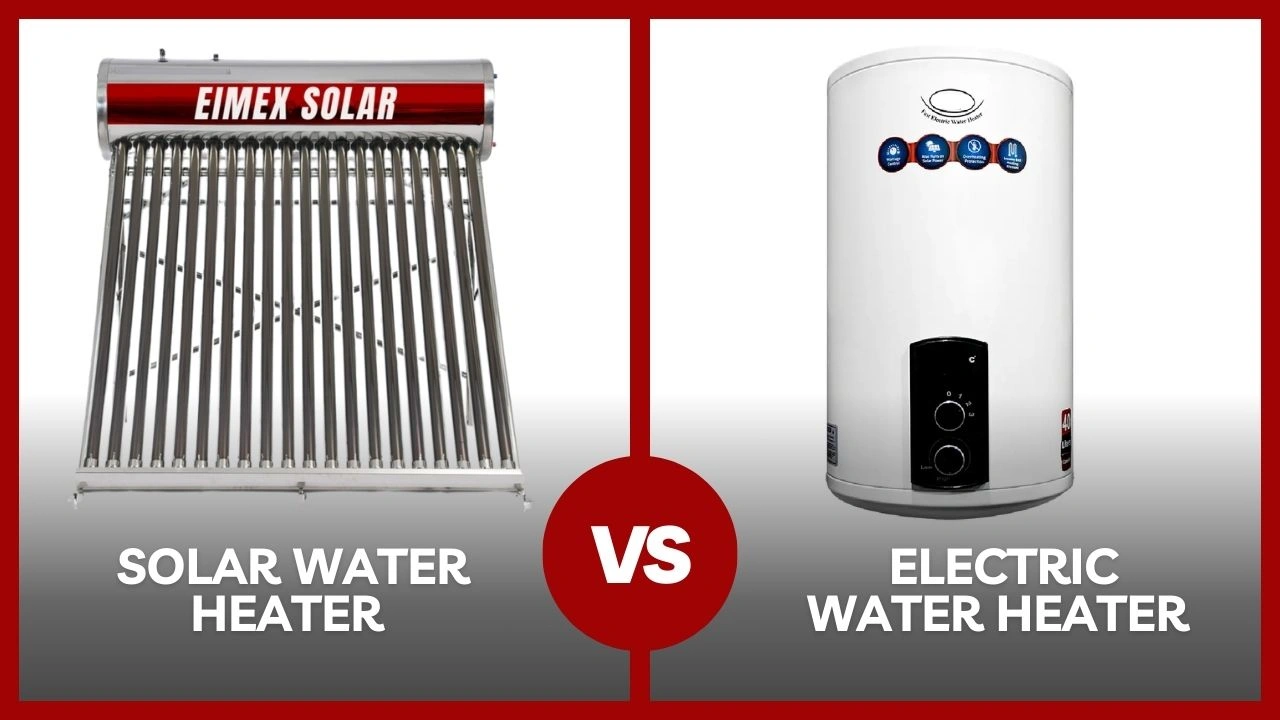
In today’s energy-conscious world, solar and electric water geysers are popular choices for homes looking for the most efficient water heater. Each type of water geyser has unique benefits, but many are finding that solar water geysers provide a lasting advantage in both cost savings and environmental impact. This guide breaks down everything you need to know about solar and electric water geysers, with a focus on why solar options might be the smarter, more sustainable choice.
How Solar and Electric Water Geysers Work?
Solar Water Geysers
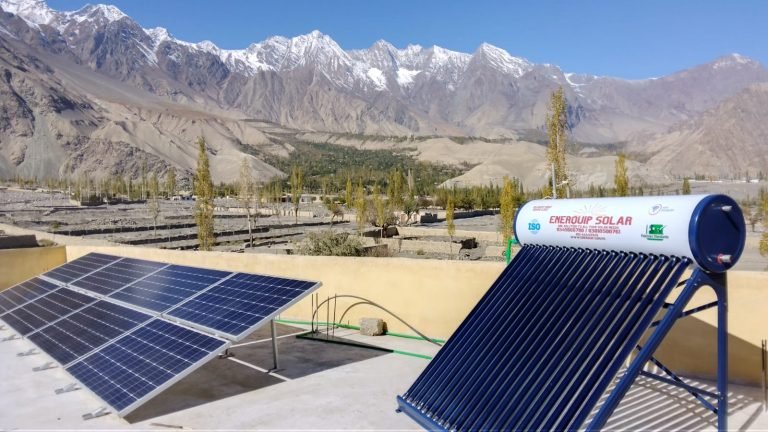
Solar water geysers harness solar energy to heat water, relying on panels that absorb sunlight. These solar panels, or collectors, capture solar radiation and convert it into heat. The heated water is then stored in an insulated tank, ready for use whenever needed.
Since solar water geysers rely on renewable energy, they help lower utility bills while supporting an eco-friendly lifestyle. The more sunlight your location receives, the more efficient a solar geyser will be, making it a great choice for homes in sunny areas.
Instant Electric Water Geysers
Instant electric water geysers use electric elements within a tank to heat water quickly and efficiently. When you turn on the geyser, electricity powers the heating elements to warm the water to your preferred temperature. While these geysers are effective in any climate, they rely heavily on electricity from the power grid.
Electric geysers are reliable and often less expensive to install, but they come with higher monthly electricity costs, especially for households with high hot water usage.
Why Solar Water Geysers Stand Out?
For homeowners focused on reducing their energy costs and carbon footprint, solar water geysers have several standout benefits.
1. Energy Cost Savings
One of the biggest advantages of solar water geysers is their potential for major energy cost savings. By using free solar power, solar geysers can reduce or even eliminate water heating costs, which make up a significant portion of monthly energy bills. Though the initial installation cost may be higher, the savings on electricity over time often outweigh the upfront expense.
Imagine having hot water without the worry of high electricity bills. Solar water geysers make this a reality, particularly in regions with consistent sunlight. Over a few years, many solar geysers pay for themselves through energy savings alone.
2. Environmental Benefits
Solar water geysers are one of the most environmentally friendly choices for heating water. Unlike electric water geysers, which depend on fossil-fuel-generated electricity, solar geysers use renewable energy with zero emissions.
Switching to a solar geyser reduces your home’s carbon footprint and helps conserve resources by tapping into the sun’s natural energy. For eco-conscious homeowners, this makes solar geysers a clear winner, supporting a lifestyle that prioritises sustainability.
3. Durability and Low Maintenance
Solar water geysers are known for their durability. Made to withstand various weather conditions, they typically have longer lifespans than Instant electric geysers. Additionally, since they have fewer internal components, they require less maintenance, reducing repair and replacement costs over time.
This durability adds to their cost-effectiveness, as you are less likely to need costly repairs or frequent replacements. For households looking for a long-term investment, a solar geyser can provide reliable hot water with minimal upkeep.
Drawbacks of Electric Water Geysers
While electric water geysers have their place, they come with several disadvantages that make them less appealing, especially for those focused on cost and environmental impact.
1. High Operating Costs
Electric water geysers contribute significantly to monthly energy bills, especially in homes where hot water is frequently used. Since they rely on electricity, the costs fluctuate with energy prices, meaning that over time, electric geysers can become quite costly to operate.
In contrast, solar geysers require no monthly energy input beyond the initial installation, which translates to ongoing savings. While electric geysers may be a viable option for some, they are less budget-friendly in the long run.
2. Environmental Impact
Electric water geysers rely on electricity, which is often generated from non-renewable sources, such as coal or natural gas. This reliance on fossil fuels results in a higher carbon footprint, making them a less eco-friendly choice compared to solar options.
If reducing your environmental impact is a priority, solar water geysers are a more sustainable option, as they depend on the clean, renewable energy of the sun. Choosing a solar geyser over an electric one can make a meaningful difference in reducing household emissions.
3. Shorter Lifespan
Electric water geysers have a shorter lifespan than solar options, mainly due to wear and tear on the heating elements. These components need periodic replacement, which adds to the overall maintenance costs. While instant electric geysers may have a lower initial cost, their shorter lifespan and ongoing repair needs can make them a more expensive choice over time.
Cost Analysis and Long-Term Savings with Solar Water Geysers
Initial Investment vs. Long-Term Savings
The initial cost of installing a solar water geyser is generally higher than that of an electric geyser. This cost includes the solar panels, water tank, and installation. However, the investment pays off through reduced electricity bills, which can save households significant amounts over the years.
Solar water geysers provide long-term financial benefits that make the initial investment worthwhile. Once installed, they require very little energy cost, especially compared to electric geysers, which consistently draw electricity from the grid.
Breaking Down the Payback Period for Solar Geysers
A solar water geyser has a typical payback period of 5–10 years, depending on the initial costs and the household’s water usage. In areas with high energy rates, the payback period may be even shorter. Over time, these savings continue to grow as energy costs increase, making a solar geyser a wise choice for the future.
Many regions also offer government incentives or rebates for installing solar water systems, further lowering the initial investment and encouraging households to choose solar. Check for local programmes that may reduce the cost of installing a solar geyser in your home.
Choosing the Best Geyser Option for Your Home – Why Solar May Be Better
For homeowners choosing between solar and electric water geysers, there are several factors to consider. Here’s why solar may be the best choice for many.
1. Location and Sunlight
Solar water geysers are ideal for sunny regions. They work best in areas that receive ample sunlight, though modern solar technology has made them efficient even in moderate climates. Instant electric geysers, on the other hand, work in all climates but come with higher energy costs.
2. Energy Efficiency and Budget
While electric geysers are initially cheaper, solar geysers offer greater energy efficiency and budget benefits in the long run. Those focused on long-term savings and eco-friendly solutions will find that solar geysers deliver excellent value over time.
3. Roof Space and Installation Feasibility
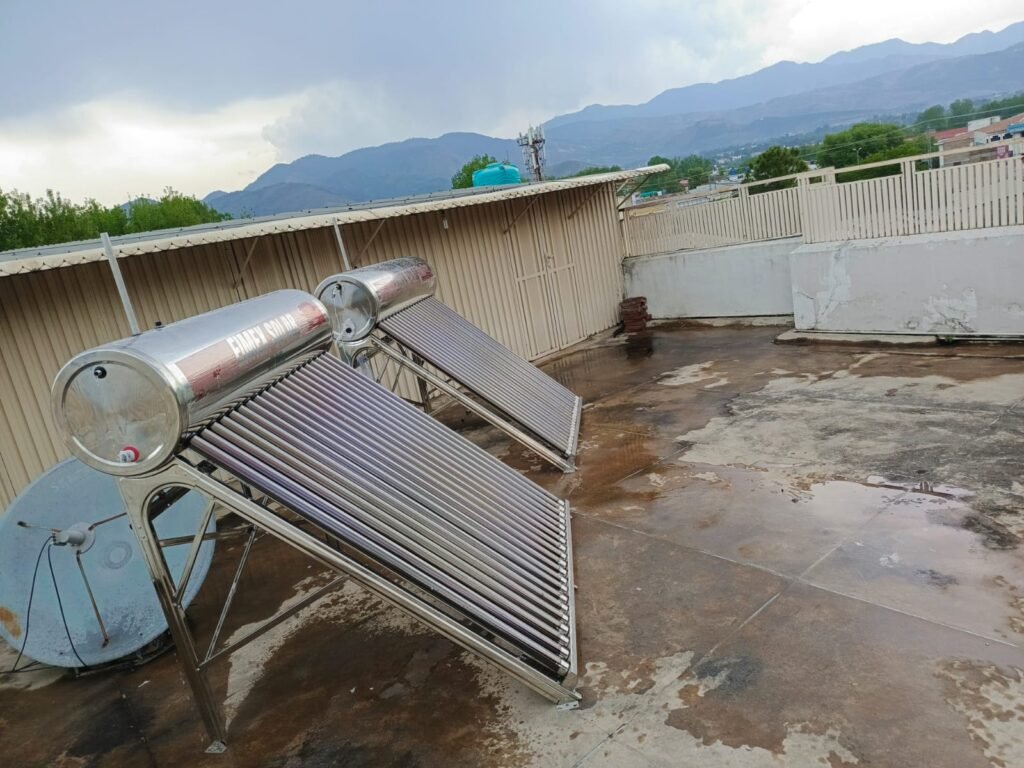
Solar geysers require adequate roof space for the solar panels. If your home has sufficient roof space, installing a solar water geyser can be straightforward and highly beneficial. For those with limited space, however, an electric geyser may be easier to install.
Checklist: Is a Solar Water Geyser Right for You?
Here’s a quick checklist to help decide if a solar water geyser is the right choice:
- Do you want to reduce your electricity bills?
- Are you committed to eco-friendly, sustainable living?
- Does your home receive plenty of sunlight?
- Do you have enough roof space for solar panels?
- Are you looking for a long-term, low-maintenance solution?
If you answered yes to most of these questions, a solar water geyser could be the ideal choice for your household.
Conclusion: Solar Water Geysers – The Smart Choice for Sustainable Living
Both solar and electric water geysers offer reliable ways to heat water, but solar water geysers stand out for their long-term savings, environmental benefits, and durability. While electric water geysers are reliable, they come with higher energy costs and a larger carbon footprint.
For those who want a sustainable, cost-effective solution, a solar water geyser is the ideal choice. With lower operating costs, reduced environmental impact, and increasing savings over time, solar water geysers offer the perfect balance of efficiency and sustainability. Consider the switch to solar to enjoy energy savings and a greener lifestyle.